

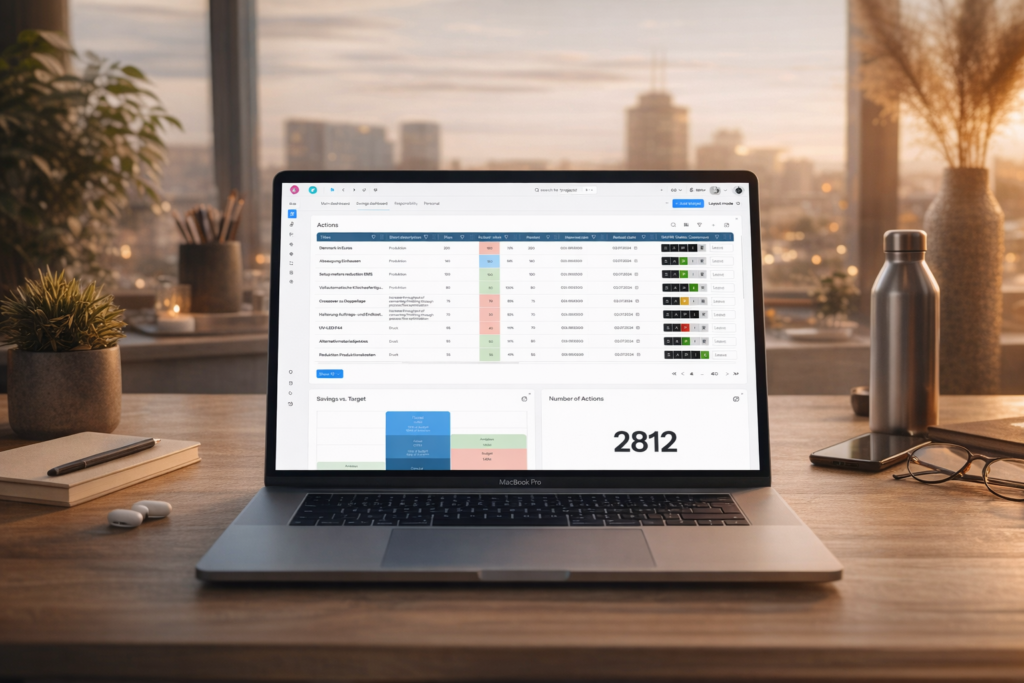


Regulatory pressure on emissions, energy use, waste and supply-chain sustainability is growing across regions and sectors. For Mittelstand companies, manufacturers, and automotive businesses, manual processes and disconnected spreadsheets no longer scale. Compliance automation lets organizations codify rules, centralize evidence, and demonstrate adherence to green standards faster and with lower risk.
Why green regulatory compliance matters now
Governments and standard bodies are tightening requirements for carbon, waste, chemicals and reporting. Non-compliance can mean fines, production stops, lost contracts and reputational damage. Conversely, reliable compliance supports market access, tender success and investor confidence.

Common challenges for industry and manufacturing
- Fragmented data across plants, suppliers and legacy IT systems
- Complex rules that change frequently and vary by jurisdiction
- Resource constraints in Mittelstand companies — limited legal or sustainability staff
- Audit pressure and the need for traceable evidence
- Integration of product- and process-level requirements (materials, energy, emissions)
What is compliance automation and how it helps meet green standards
Compliance automation applies software to encode regulatory rules, collect and normalize data, run continuous checks and create audit-ready evidence. Key benefits:
- Faster identification of non-compliance through automated checks
- Consistent application of rules across locations and product lines
- Reduced manual effort for reporting and audits
- Improved traceability of data and decisions
- Scalability as regulations or product portfolios grow
Key capabilities to look for in compliance automation tools
- Rule engine: flexible, versioned rules that map to legal and voluntary green standards
- Data integration: connectors for ERP, MES, PLM, suppliers and sensors
- Normalization & validation: automated checks for data completeness and format
- Evidence management: secure, timestamped records for audits
- Reporting & disclosure: templates for regulatory filings and ESG reports
- Alerts & workflows: assignment of corrective actions and escalation paths
- Scalability & security: multi-site support, role-based access, and encryption
Implementation steps: from gap analysis to continuous improvement
- Scope and prioritize: map regulated processes, products and suppliers; focus on high-risk areas first.
- Gap analysis: compare current controls and data against regulatory requirements.
- Design rules and data model: translate requirements into machine-readable rules and required data fields.
- Integrate data sources: connect systems and suppliers; apply validation routines.
- Pilot and iterate: run a controlled pilot at one site or product line to validate rules and workflows.
- Rollout and train: extend to all locations, train staff and embed governance.
- Monitor and update: maintain rule versions, monitor KPIs and adapt to regulatory changes.
Data governance, traceability and audit readiness
For green compliance the evidence chain matters: measurement methods, source systems, timestamps, calibrations and approval histories must be preserved. Automation should capture metadata, provide immutable logs and enable export of audit packages that show both the data and the rule logic used to assess compliance.
Organizational roles, change management and vendor selection
Successful automation is both technical and organizational. Typical roles include compliance owners, data stewards, IT integrators and sustainability leads. Select vendors with experience in industrial settings, flexible rule engines and a clear roadmap for regulatory updates. Start with achievable milestones and communicate benefits to frontline teams to reduce resistance.
Measuring success: KPIs and continuous monitoring
Track metrics that show risk reduction and efficiency gains, for example:
- Number of compliance exceptions detected automatically
- Time to close corrective actions
- Reduction in manual reporting hours
- Audit findings and closure rate
- Percentage of data sources integrated
Practical checklist to get started today
- Identify the top 3 regulations affecting your products or sites
- Inventory data sources (plants, suppliers, ERP, measurement systems)
- Run a simple pilot using a single rule and one plant
- Agree ownership and escalation workflows for exceptions
- Define KPIs and a quarterly review cadence
Regulatory compliance automation turns changing green rules from a continuous firefight into a governed, repeatable process. For Mittelstand and large manufacturers alike, the right approach reduces risk, saves time and supports sustainable growth.
FAQ
What types of green regulations can be automated?
Many requirements can be automated, including emissions reporting (scope 1/2), energy consumption limits, waste handling rules, restricted substances lists, and supplier sustainability data collection. Anything that maps to measurable data and clear thresholds is a strong candidate for automation.
How long does it take to implement compliance automation?
Implementation time varies by scope. A focused pilot (single site or rule) often takes 8–12 weeks. Full rollout across multiple sites and integrated suppliers can take 6–18 months depending on IT complexity and data quality.
Can SMEs and Mittelstand companies afford compliance automation?
Yes. Solutions are available at different scales. Start with targeted pilots to deliver quick ROI — for example, automating a single high-risk report or supplier check — then scale. Cloud-based and modular options reduce upfront investment.
How does automation help with audits?
Automation centralizes evidence, preserves timestamps and records rule versions used for checks. That creates reproducible, exportable audit packages that shorten audit time and reduce findings related to missing or inconsistent evidence.
What if regulations change frequently?
Choose tools with flexible, versioned rule engines and clear maintenance processes. Establish an internal governance team to track legal changes and update rules promptly. Automation makes redistribution of updated rules faster and more consistent than manual processes.
Ready to reduce compliance risk and speed up green reporting? Contact our team to discuss a pilot tailored to your operations and regulations.
Please reach out to your internal compliance or sustainability lead to start the assessment.