

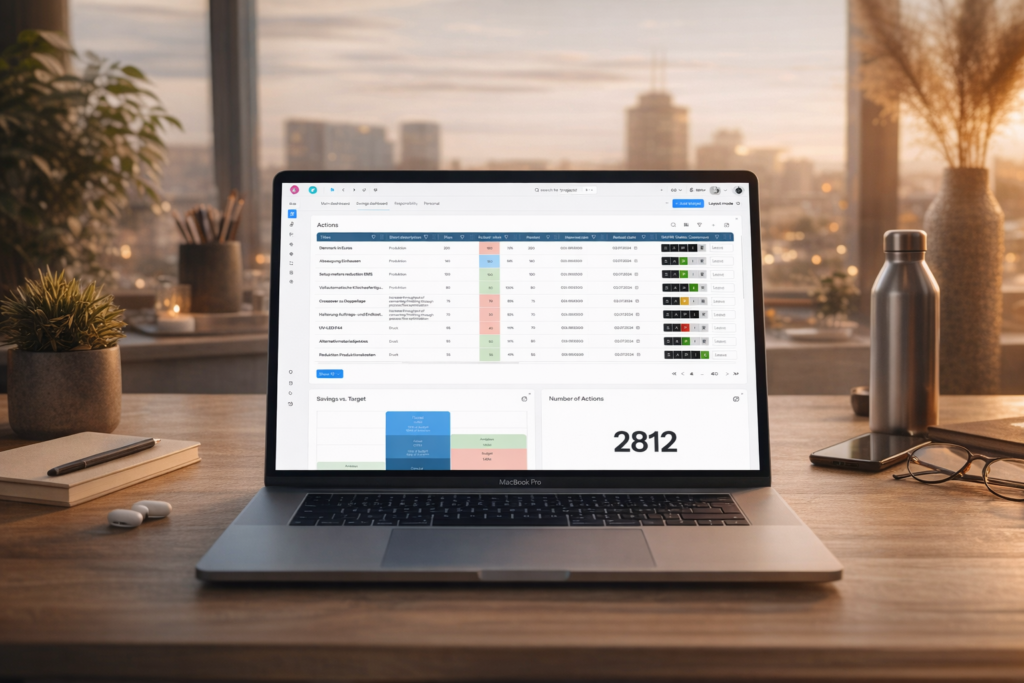


Closed-Loop CAPA 4.0 describes a system where corrective and preventive actions (CAPA) are managed in an automated, end-to-end process. Rather than handling nonconformances, root-cause analysis, action assignment, verification and closure manually, CAPA 4.0 links detection, workflow, execution and verification through digital systems to reduce cycle time, increase traceability and improve product and process reliability.
Why automation matters for Mittelstand, industry and automotive
Manufacturers face rising quality expectations, tighter regulatory scrutiny and the need to reduce downtime. For small-to-mid-sized enterprises (Mittelstand) as well as large industrial and automotive companies, automating CAPA delivers concrete advantages:

- Faster response to defects and incidents, reducing scrap and rework.
- Clear, auditable traceability from detection to verification.
- Better use of engineering resources through automated routing and prioritization.
- Data-driven prevention by feeding insights back into design and process controls.
Core components of a Closed-Loop CAPA 4.0 system
- Detection & alerting: Automated sensors, SPC systems, production MES events, or customer feedback feed nonconformance signals into CAPA.
- Workflow & assignment: Rules-based routing assigns owners, deadlines and priorities automatically.
- Root-cause analysis tools: Integrated templates and guidance accelerate investigation and standardize outcomes.
- Action management: Tasks, change requests and validation steps are tracked with status and evidence capture.
- Verification & closure: Automated checks and measurement data confirm effectiveness before formal closure.
- Continuous feedback: Learnings feed back to design, process control and training to prevent recurrence.
How automation changes CAPA workflows — step by step
- Automatic capture: A process alarm, inspection failure or customer complaint is logged automatically into the CAPA system.
- Automated triage: Predefined rules evaluate risk and priority; the system assigns the correct owner and target dates.
- Guided investigation: Root-cause templates guide the investigator and ensure required evidence is collected.
- Action orchestration: The system creates tasks (e.g., engineering change, supplier corrective action), notifies stakeholders and tracks completion.
- Effectiveness verification: Verification can include re-measurement, SPC checks or automated test runs before closure.
- Reporting and prevention: Aggregated insights trigger preventive measures such as design updates, training, or supplier performance actions.
Data and integration requirements
An effective Closed-Loop CAPA 4.0 depends on reliable data and integration with production systems. Typical integration points include MES, ERP, SPC/quality systems, PLM and supplier portals. Quality of outcomes depends on:
- Consistent event schemas and timestamps.
- Clear stakeholder and role mappings for automated assignment.
- Traceable document and evidence storage.
Key metrics and expected impact
When implemented correctly, automated CAPA delivers measurable benefits. Track these KPIs:
- Time-to-detection and time-to-closure for CAPA items.
- Rate of recurrence for specific defect types.
- Percentage of CAPAs closed after verified effectiveness checks.
- Reduction in scrap, rework and warranty costs linked to CAPA actions.
For statistical evidence of impact from automation and process improvements, review solution metrics and case statistics to set realistic targets: Impact statistics.
Implementation roadmap and best practices
- Start with high-impact failure modes: Focus on recurring, high-cost defects for initial pilots.
- Integrate incrementally: Connect one source (e.g., MES or SPC) first, prove value, then add systems.
- Standardize investigation templates: Enforce consistent evidence and RCA steps to speed training and audits.
- Use automation for routine tasks: Automate assignment, reminders, and verification checks; keep humans on decisions that require judgment.
- Measure and iterate: Monitor KPIs, refine rules and extend automation to preventive workflows.
Common challenges and how to avoid them
- Poor data quality: Invest in clean input signals and clear event definitions.
- Over-automation: Maintain human oversight for complex root causes; automate repeatable steps only.
- Change resistance: Engage stakeholders early and show quick wins from pilot projects.
- Integration complexity: Use modular connectors and prioritize systems that deliver the most value first.
If you evaluate automation platforms, consider solutions that combine workflow automation with analytics and easy integration to production systems. For information on automation services that support end-to-end process improvement, see available automation solutions: Automation services.
Closed-Loop CAPA 4.0 is practical for Mittelstand and enterprise alike: start small, measure impact, and scale to achieve faster resolution, better traceability and durable prevention.
Weiterfuehrende Inhalte
FAQ
What is Closed-Loop CAPA 4.0?
Closed-Loop CAPA 4.0 is an automated, end-to-end approach to corrective and preventive actions that connects detection, investigation, execution and verification through digital workflows to shorten response times and improve traceability.
Which manufacturing companies benefit most?
Both Mittelstand (small and mid-sized manufacturers) and large industrial and automotive enterprises benefit. The biggest gains come where defects are frequent, incidents are costly, or regulatory traceability is required.
What systems must be integrated?
Common integrations include MES, ERP, SPC/quality systems, PLM and supplier portals. Integration priority should follow source-of-truth systems for defects and production events.
How quickly can I expect results?
You can expect measurable improvements in cycle time and traceability within a few weeks to months after an initial pilot, depending on scope and data quality. Start with high-impact failure modes for fastest ROI.
Ready to reduce CAPA cycle times and improve traceability? Explore automation solutions to get started: Automation services — and review impact metrics to set targets: Impact statistics.