

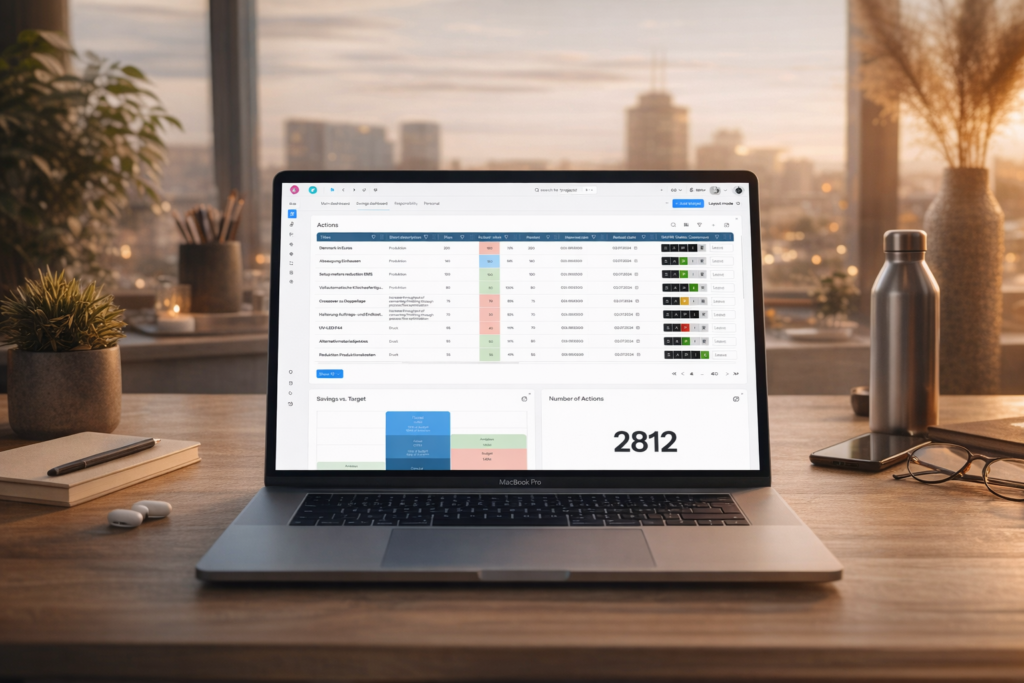
This is the App. One System for your Improvement game.
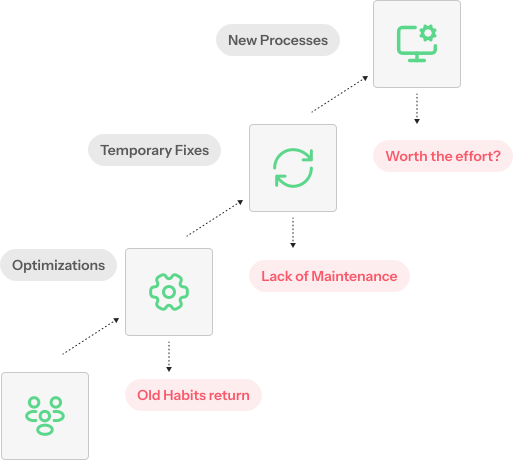
Work moves forward only when someone remembers to chase it.
This is not a motivation problem.
It’s what happens when execution depends on manual coordination.
Common signals:
Teams stay busy but progress becomes fragile.
What breaks is not effort.
What breaks is execution visibility.
Work moves through Slack, email, and spreadsheets
Ownership becomes assumed instead of clear
Status depends on people reporting it
Bottlenecks appear only after delays occur
Progress requires constant coordination effort
The system carries the coordination load.
When execution becomes visible, follow-up stops being manual.
Work progresses without manual chasing
Ownership is visible at every step
Bottlenecks appear before deadlines slip
Progress becomes measurable without meetings
Teams spend less time coordinating and more time executing
As organizations scale:
People compensate by coordinating manually.
More reminders, more follow-ups, more status meetings.
Effort increases but visibility does not.
Manual follow-up is a symptom of a missing execution system.
BeLean creates a structured execution environment where progress becomes visible automatically.
Instead of chasing updates, teams see:
The system tracks execution.
People focus on solving problems.
Most teams respond to delays by adding pressure or reminders. The teams that scale execution remove the need for manual follow-up.
Where coordination effort is replacing system visibility.
Where work stalls without anyone noticing.
Where structural changes remove the most coordination overhead.
No demo. No sales pitch. Just clarity on where execution is breaking.
Choose a language: